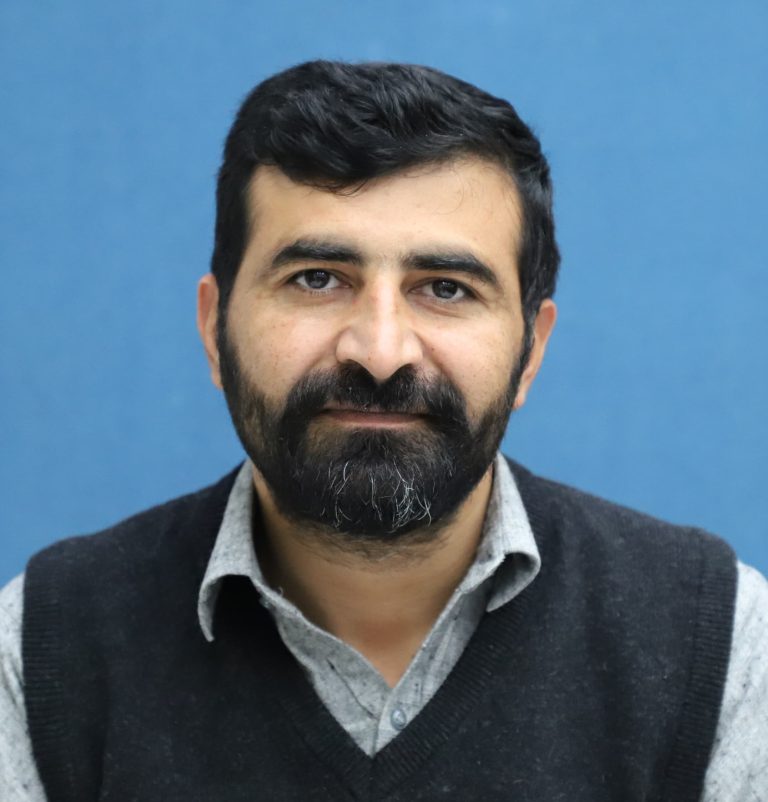
خیبر پختونخوا اسمبلی کی پارلیمانی کمیٹی کا اہم اجلاس منگل کے روز صوبائی اسمبلی سیکرٹریٹ پشاور میں منعقد ہوا، جس کی صدارت کمیٹی کے کنوینر و رکن صوبائی اسمبلی نذیر احمد عباسی نے کی۔ اجلاس میں سپیکر خیبر پختونخوا اسمبلی بابر سلیم سواتی نے بھی شرکت کی۔
یاد رہے کہ سپیکر خیبر پختونخوا اسمبلی بابر سلیم سواتی نے بلدیاتی نمائندوں سے متعلق معاملات کا جائزہ لینے کے لیے 6 مارچ 2026 کو اس پارلیمانی کمیٹی کی تشکیل دی تھی۔اجلاس میں کمیٹی کے اراکینِ وممبران اسمبلی محمد سجاد، اکبر ایوب خان، طارق سعید، میان شرافت علی، احتشام علی، محمد انعام اللہ خان، آصف خان، احمد کنڈی، سجاد اللہ، ملک طارق اعوان، ارباب محمد وسیم اور محمد نثار نے شرکت کی۔اجلاس میں مقامی حکومتوں سے متعلق امور پر تفصیلی غور و خوض کیا گیا۔ اس موقع پر مقامی حکومتوں کے نمائندے بھی شریک ہوئے جن میں صدر لوکل کونسلز ایسوسی ایشن خیبر پختونخوا و میئر ضلع مردان حمایت اللہ خان مایار، چیئرمین تحصیل کونسل سرائے نورنگ و ترجمان لوکل کونسلز ایسوسی ایشن خیبر پختونخوا عزیز اللہ خان مروت، چیئرمین تحصیل لوکل گورنمنٹ حسن خیل پشاور حافظ الرحمن اور کوآرڈینیٹر لوکل کونسلز ایسوسی ایشن خیبر پختونخوا انتظار علی خلیل شامل تھے۔کمیٹی نے معاملے پر تفصیلی بحث کے بعد متفقہ طور پر سفارشات مرتب کیں۔ کمیٹی نے آئینِ اسلامی جمہوریہ پاکستان اور خیبر پختونخوا لوکل گورنمنٹ ایکٹ 2013 کے متعلقہ قانونی تقاضوں کو مدنظر رکھتے ہوئے سفارش کی کہ چونکہ آئین اور مذکورہ ایکٹ میں منتخب بلدیاتی نمائندوں کی چار سالہ مدت مکمل ہونے کے بعد ان کی مدت میں توسیع یا تسلسل کے حوالے سے کوئی واضح قانونی گنجائش موجود نہیں، اس لیے ان کی مدت میں توسیع قانونی طور پر ممکن نہیں۔
کمیٹی نے مزید واضح کیا کہ چونکہ بلدیاتی نمائندے عوام کے ووٹوں سے منتخب ہوتے ہیں، اس لیے حکومت کی جانب سے کسی ترمیم کے ذریعے ان کی مدت میں توسیع بھی قانونی طور پر قابلِ عمل نہیں۔کمیٹی نے یہ بھی سفارش کی کہ ضلع کونسلوں کی بحالی کے حوالے سے موجودہ خیبر پختونخوا لوکل گورنمنٹ ایکٹ 2013 پر نظرثانی کی جائے تاکہ قانون کو زیادہ مؤثر اور عوام دوست بنایا جا سکے۔ اس مقصد کے لیے کمیٹی نے تجویز دی کہ یا تو اس ایکٹ میں مناسب ترامیم کی جائیں یا ضرورت کے مطابق نئی قانون سازی کی جائے۔کمیٹی نے یہ بھی قرار دیا کہ مذکورہ سفارشات کے باوجود صوبائی حکومت مناسب سمجھے تو اس حوالے سے اپنی صوابدید کے مطابق فیصلہ کرنے کی مجاز ہوگی۔
خیبر پختونخوا اسمبلی کی پارلیمانی کمیٹی کا اہم اجلاس منگل کے روز صوبائی اسمبلی سیکرٹریٹ پشاور میں منعقد ہوا، جس کی صدارت کمیٹی کے کنوینر و رکن صوبائی اسمبلی نذیر احمد عباسی نے کی
جنگ، محبت اور امن
تحریر: انجینئر ڈاکٹر محمد اطہر سوری
فضا میں بارود کی بو رچی ہوئی ہے، پہاڑوں کی چوٹیوں پر دھواں لہرا رہا ہے اور سرحدی بستیوں میں خوف کی ایک دبیز چادر تنی ہوئی ہے۔ پاک افغان سرحد پر حالیہ کشیدگی اس وقت بڑھی جب حکام کے مطابق سرحد پار سے بلا اشتعال فائرنگ کی گئی جس کے جواب میں پاکستان نے اپنی دفاعی حکمت عملی کے تحت سخت کارروائی کی۔ یہ صورتحال وقتی طور پر شدت اختیار کر گئی، مگر اس کے پیچھے برسوں پر محیط پیچیدہ مسائل، عدم اعتماد اور سرحد پار دہشت گردی جیسے عوامل کارفرما ہیں۔
جنگ کبھی بھی کسی مسئلے کا مستقل حل نہیں رہی۔ تاریخ گواہ ہے کہ بندوق کی نالی سے صرف وقتی خاموشی جنم لیتی ہے پائیدار امن نہیں۔ سوال یہ ہے کہ آخر وہ کون سی وجوہات ہیں جو دو ہمسایہ مذہبی و ثقافتی طور پر جڑے ہوئے ممالک کو آمنے سامنے لے آتی ہیں؟ جب سرحدوں کی خاموشی کو سازشوں سے توڑا جائے جب چند شرپسند عناصر اپنے مذموم مقاصد کے لیے پڑوسی ملک کی زمین استعمال کر کے دہشت گردی کی آگ بھڑکائیں تو ردِعمل ناگزیر ہو جاتا ہے۔ دفاعِ وطن ہر ریاست کا بنیادی حق ہے اور پاکستان نے بھی ہمیشہ اسی اصول کے تحت اپنی سرحدوں کی حفاظت کی ہے۔
پاکستان کا مؤقف واضح ہے کہ کالعدم تحریک طالبان پاکستان (ٹی ٹی پی) کے جنگجو افغانستان کی سرزمین استعمال کرتے ہوئے پاکستانی حدود میں حملے کر رہے ہیں، جس سے قیمتی جانوں کا ضیاع ہو رہا ہے۔ ریاستی اداروں کے مطابق حالیہ آپریشنز کا مقصد کسی ملک کے خلاف اعلانِ جنگ نہیں بلکہ اپنی سرحدوں کو محفوظ بنانا، غیر قانونی آمد و رفت کو روکنا اور ان ٹھکانوں کا خاتمہ کرنا ہے جو خطے کے امن کے لیے خطرہ بن چکے ہیں۔ اس تناظر میں کارروائیاں دہشت گرد عناصر کے خلاف ہیں، کسی قوم یا عام شہری کے خلاف نہیں۔
لیکن یہ بھی ایک ناقابلِ تردید حقیقت ہے کہ جنگوں کے فیصلے ایوانوں میں ہوتے ہیں اور ان کا بوجھ عام لوگ اٹھاتے ہیں۔ سرحدی علاقوں میں بسنے والے معصوم شہری، بچے، بوڑھے اور خواتین سب سے زیادہ متاثر ہوتے ہیں۔ جب گولیاں چلتی ہیں اور دھماکوں کی آوازیں فضا کو چیرتی ہیں تو خوف صرف سرحد تک محدود نہیں رہتا بلکہ گھروں کے اندر تک اتر جاتا ہے۔ ایسے میں انسانیت کا اصل امتحان شروع ہوتا ہے۔
حیرت انگیز طور پر جب حالات بگڑتے ہیں تو کئی افغان شہری اپنی جان بچانے کے لیے پاکستان کا رخ کرتے ہیں۔ یہ ایک غیر اعلانیہ اعتماد ہے، ایک خاموش اعتراف کہ یہاں انہیں پناہ، عزت اور کم از کم وقتی سکون میسر آئے گا۔ پاکستان کی سرزمین نے ماضی میں بھی لاکھوں افغان مہاجرین کو گلے لگایا۔ دہائیوں تک انہیں رہائش، روزگار اور تعلیم کے مواقع فراہم کیے گئے۔ یہ سب کسی سیاسی مفاد کے تحت نہیں بلکہ ایک اسلامی اور انسانی فریضے کے طور پر کیا گیا۔ یہی وہ رشتہ ہے جو دونوں اقوام کو محض سرحدی لکیر سے نہیں بلکہ تاریخ، ثقافت اور مشترکہ دکھ سکھ سے جوڑتا ہے۔
تاہم ریاستی نظم و ضبط اور قومی سلامتی کے تقاضے بھی اپنی جگہ اہم ہیں۔ پاکستان میں عرصہ دراز سے مقیم غیر قانونی افغان مہاجرین کے حوالے سے حکومت کا مؤقف یہ ہے کہ ملک کے وسیع تر امن و امان اور استحکام کے لیے ان کی مرحلہ وار واپسی ضروری ہے۔ اس پالیسی کا مقصد کسی کی تذلیل نہیں بلکہ قانونی طریقہ کار کو یقینی بنانا ہے۔ پاکستان کی جانب سے یہ بھی واضح کیا گیا ہے کہ واپسی پر کوئی مستقل پابندی عائد نہیں کی جا رہی بلکہ خواہش یہ ہے کہ حالات بہتر ہونے پر قانونی ویزا کے ذریعے آمد و رفت کا سلسلہ جاری رہے۔ جب دونوں ممالک میں قانون کی حکمرانی مضبوط ہوگی تو سرحد کے دونوں اطراف بسنے والے عوام پہلے سے زیادہ احترام اور بھائی چارے کے ساتھ رہ سکیں گے۔
پاکستان کی مسلح افواج کا کردار بھی اس تناظر میں قابلِ ذکر ہے۔ پیشہ ورانہ مہارت اور احتیاط کے ساتھ کارروائیاں کرنا ایک مشکل ترین کام ہوتا ہے خصوصاً جب دشمن عام آبادی میں چھپ کر حملے کرے۔ اس کے باوجود کوشش یہی کی جاتی ہے کہ عام شہری محفوظ رہیں اور کارروائیاں صرف ان عناصر تک محدود ہوں جو ریاست کی سلامتی کو چیلنج کرتے ہیں۔ یہ طرزِ عمل اس بات کا ثبوت ہے کہ جنگ دہشت گردی کے خلاف ہے، نہ کہ کسی ہمسایہ قوم کے خلاف۔
بدقسمتی سے جنگ کے ساتھ ایک اور محاذ بھی کھل جاتا ہے اور وہ ہے افواہوں اور پروپیگنڈے کا محاذ۔ سوشل میڈیا کے اس دور میں جھوٹی خبریں بارود سے زیادہ تیزی سے پھیلتی ہیں۔ دشمن قوتیں یہی چاہتی ہیں کہ عوام کے درمیان بداعتمادی پیدا ہو، ریاست اور شہریوں کے درمیان خلیج بڑھے اور نفرت کی دیواریں اونچی ہوں۔ ایسے میں دانشمندی کا تقاضا ہے کہ ہر خبر کو پرکھا جائے مصدقہ ذرائع پر اعتماد کیا جائے اور جذباتی نعروں کے بجائے حقیقت پسندانہ سوچ اپنائی جائے۔
امن دراصل کمزوری نہیں بلکہ سب سے بڑی طاقت ہے۔ جو قومیں جنگ کے باوجود امن کا راستہ تلاش کرتی ہیں وہی ترقی کی شاہراہ پر گامزن ہوتی ہیں۔ پاکستان کی خواہش ہمیشہ یہی رہی ہے کہ خطے میں استحکام ہو، تجارت بڑھے عوام کو روزگار ملے اور نوجوان نسل کو کتاب اور قلم میسر ہوں، بندوق نہیں۔ اگر دونوں ممالک باہمی احترام، سفارتی روابط اور قانونی تقاضوں کے تحت مسائل حل کریں تو کشیدگی کی یہ فضا ختم ہو سکتی ہے۔
یہ بھی ضروری ہے کہ سرزمین کو کسی دوسرے ملک کے خلاف استعمال نہ ہونے دیا جائے۔ بین الاقوامی اصول اور ہمسائیگی کے آداب اسی بات کا تقاضا کرتے ہیں۔ اعتماد کی بحالی اسی وقت ممکن ہے جب عملی اقدامات کیے جائیں اور دہشت گردی کے ہر نیٹ ورک کا خاتمہ کیا جائے۔ اگر یہ بنیادی شرط پوری ہو جائے تو مذاکرات اور سفارت کاری کے دروازے کھل سکتے ہیں، اور بارود کی جگہ مکالمہ لے سکتا ہے۔
جنگ کی تاریکی میں بھی امید کی ایک کرن موجود ہوتی ہے۔ وہ کرن ہے عوام کے درمیان موجود محبت اور بھائی چارے کا جذبہ۔ جب پاکستانی شہری مہاجر خاندانوں کو کھانا فراہم کرتے ہیں جب فلاحی تنظیمیں خیمے اور ادویات مہیا کرتی ہیں تو یہ سب اس بات کا اعلان ہوتا ہے کہ نفرت کا بیج یہاں پنپ نہیں سکتا۔ یہی جذبہ خطے کے مستقبل کی ضمانت بن سکتا ہے۔
آخرکار امن ہی وہ واحد راستہ ہے جو خوشحالی، استحکام اور باہمی ترقی کی طرف لے جاتا ہے۔ اگر ہم ماضی کی تلخیوں سے سبق سیکھ کر مستقبل کی تعمیر پر توجہ دیں تو سرحدیں نفرت کی علامت کی بجائے تعاون کی علامت بن سکتی ہیں۔ ہمیں یہ عہد کرنا ہوگا کہ بارود کی بو کو محبت کی خوشبو سے بدلیں گے نفرت کے شعلوں کو برداشت کے پانی سے بجھائیں گے اور اس خطے کو ایک بار پھر امن کا گہوارہ بنائیں گے۔ یہی وہ خواب ہے جو ہر ماں اپنے بیٹے کے لیے دیکھتی ہے، اور یہی وہ منزل ہے جس تک پہنچنا ہم سب کی مشترکہ ذمہ داری ہے۔
Commuter woes
“Before getting on the bus, I recite the Ayat-ul-Kursi,” says Azmatullah with a faint smile. “There is always some risk in while traveling by it, but since the fare is low, it’s still the best option for commuting from Charsadda to Peshawar.”
Azmatullah works for a government department in Peshawar. He has to commute to work on a regular basis. Ayat-ul-Kursi, is one of the most well-known and frequently recited verses of the Quran. It is traditionally recited to seek protection from harm, evil and unseen danger.
Every Monday, Azmatullah leaves his village near Mandani, a small town in Tangi tehsil of Charsadda district and boards the same aging bus to reach the provincial capital. Daily commute is neither affordable nor practical. On Fridays, have finished his workweek, he returns home on board the same bus to spend the weekend with his family.
For decades, these inter-district buses have been a lifeline for thousands like him. However, their numbers are dwindling. What was once a fleet of more than 20 buses connecting Charsadda and Peshawar has now shrunk to just six. As the transport sector modernises and shifts toward faster, privately operated vans and high-roof Hiace coaches, the old buses are slowly disappearing.
Yet for many low- and middle-income commuters, they remain indispensable.
Peshawar, the provincial capital of Khyber Pakhtunkhwa, is a major business and administrative hub. Government offices, private institutions, schools, colleges and markets draw workers from nearby districts. For those living in Charsadda and its surrounding towns—Hari Chand, Mandani, Umarzai, Tangi and Utmanzai, the bus offers a rare intersection of affordability and reliability.
This scribe travelled last week on both a Hiace van and one of the remaining buses to compare fares and conditions. The distance from Hari Chand to Peshawar’s Saddar area is approximately 62 kilometers. In moderate traffic, the bus takes about two hours to complete the journey; a private car can cover the distance in around 90 minutes.
The cost difference, however, is striking. A one-way ticket on the bus costs Rs 150.
Traveling by a private car costs roughly Rs 1,200 in fuel and related expenses. A Hiace charges Rs 230 besides the additional cost of reaching one’s workplace from the terminal by rickshaw or Bus Rapid Transit.
“If these buses were not there,” says Mushtaq Khan, another daily commuter, also a government employee, “our entire salary would be spent on Hiace and rickshaw fares. These buses get us to the office on time and at a price we can afford.”
The buses follow a fixed and familiar route: from Hari Chand through Mandani, Umarzai, Tangi, Utmanzai and Charsadda’s main bazaar; then onto the M-1 Motorway toward Peshawar Saddar. In the, they retrace the same path, picking up passengers and returning home before dark. It is a congested and bustling corridor, requiring considerable driving skill.
Despite their worn appearance, punctuality is one of their strengths. They depart on time and rarely delay arrival. That reliability, combined with low fares, keeps loyal passengers returning.
But affordability comes with risks. Many passengers, especially low-income labourers, travel on the roof to save even more money. Those riding on top are charged half the fare. Although travelling on the roof of the vehicle is strictly prohibited on the motorway, enforcement is inconsistent.
When asked about this, Azmatullah laughs. “Passengers lie flat on the bus roof to avoid being visible to the police,” he says. “They endure strong winds and cold weather to save a few rupees.”
Inside the bus, the atmosphere is markedly different from the impersonal environment of modern vans. The ride feels communal, almost familial. Drivers, conductors and regular passengers share a bond formed over years of daily travel. There is banter throughout the journey. Jokes and friendly teasing make the long ride bearable.
One such driver is Abdul Manan, whose facial features resemble a retired Japanese actor, according to his regular passengers. They affectionately call him Shang Feng. He drives with a perpetual smile and does not mind the nickname. His friendly demeanor has earned him loyalty among commuters.
He is in the habit of excessive honking. Throughout the journey, he frequently blasts the horn, sometimes so persistently that it feels as if a train is passing through town. Whether it is to clear traffic or simply announce his presence, the sound becomes part of the bus’s identity.
The conductor, though not formally educated, possesses remarkable marketing instincts. Throughout the trip, he shouts, “The bus is empty, hurry up and get on,” even when standing room is scarce. His salesmanship keeps the bus jam-packed.
There are some unwritten rules. Regular passengers have unofficially reserved seats. Conductors sometimes charge new passengers Rs 200 – Rs 50 more than the rate for daily commuters. Regular riders often save seats for colleagues boarding later along the route.
Beyond transportation, the bus serves as a social network on wheels. The passengers discuss office politics; T20 world cup matches and gossip. It is a moving microcosm of Charsadda’s working class.
There is also an undercurrent of unease. Between 2009 and 2013, Khyber Pakhtunkhwa endured a particularly violent period of militancy. Bomb blasts targeted mosques, schools, colleges, universities, markets and buses.
In 2012, an explosion struck a passenger bus traveling from Peshawar to Charsadda, killing and injuring numerous people. The memory still lingers among commuters.
After arriving at Peshawar, a young man boards the bus carrying a black handbag. The driver greets him warmly. He stands confidently and begins speaking in a persuasive tone. Such salesmen are common on inter-provincial buses, but seeing one on this commuter route surprises some passengers.
In a single breath, he launches into a pitch about stomach ailments, acidity, indigestion, nausea, sour belching – problems nearly everyone could relate to. With impressive interpersonal communication skills, he then describes the benefits of his herbal remedy, claiming it reduces uric acid levels and relieves joint pain. Within minutes, he distributes sample sachets into outstretched palms and offers a limited-time discount.
The performance lasts less than five minutes, but the man manages to sell dozens of sachets. His sales skills are as striking as his confidence. For a brief moment, the bus is transformed into a marketplace.
As the bus speeds along the motorway, some passengers chat, others doze off and a few quietly scroll on their phones. For many, this daily commute is not merely about reaching work; it is also about survival in an economy where rising transport costs threaten already tight budgets.
The transformation of the transport sector looms large. Modern vans, ride-hailing services and improved road networks promise speed and convenience but often at a higher cost. As competition intensifies and regulations tighten, the remaining six buses may soon cease operations. If that happens, an entire culture of commuting may vanish with them.
For Azmatullah and hundreds of others, the bus represents more than just a cheap ride. It is a space of shared resilience, a daily ritual framed by prayer, shaped by economic necessity and sustained by community bonds.
جعلی برانڈڈ مشروبات کا بڑا نیٹ ورک بے نقاب، 71 ہزار لیٹر سے زائد مشروبات ضبط؛ پشاور میں خراب چکن تلف، مردان میں پھپھوندی زدہ اچار برآمد
خیبرپختونخوا فوڈ سیفٹی اینڈ حلال فوڈ اتھارٹی نے صوبہ بھر میں کارروائیاں کرتے ہوئے جعلی اور غیر معیاری مشروبات کے ایک بڑے نیٹ ورک کو بے نقاب کر دیا، جبکہ مردان میں سینکڑوں کلوگرام غیر معیاری و مضر صحت اچار اور پشاور میں باسی چکن پارٹس بھی برآمد کر لیے گئے۔ترجمان فوڈ اتھارٹی نے تفصیلات جاری کرتے ہوئے کہا کہ خفیہ اطلاع موصول ہونے پرکوہاٹ فوڈ سیفٹی ٹیم نے رات گئے انڈس ہائی وے پر ناکہ بندی کرتے ہوئے شمالی وزیرستان جانے والی ایک گاڑی کو روک لیا۔ گاڑی کی تلاشی کے دوران تقریباً 11 ہزار 700 لیٹر جعلی اور غیر معیاری مشروبات برآمد کرکے ضبط کر لیے گئے جبکہ ڈرائیور کو گرفتار کر لیا گیا۔تفتیش اور سراغ رسانی کے دوران کوہاٹ، پشاور اور نوشہرہ کی مشترکہ فوڈ سیفٹی ٹیم نوشہرہ کے علاقے بانڈہ نبی، تحصیل پبی میں واقع ایک گودام تک کی گئی۔ گودام پر چھاپے کے دوران تقریباً 60 ہزار لیٹر برانڈڈ جعلی اور غیر معیاری مشروبات برآمد کرکے قبضے میں لے لی گئیں۔ فوڈ اتھارٹی نے گودام کو موقع پر سیل کرتے ہوئے مالکان کے خلاف فوڈ سیفٹی ایکٹ کے تحت قانونی کارروائی شروع کر دی ہے۔دوسری جانب پشاور میں فوڈ اتھارٹی نے ضلعی انتظامیہ کے ہمراہ صبح سویرے ایک چکن شاپ پر چھاپہ مار کر تقریباً 250 کلوگرام خراب اور بدبودار چکن پارٹس برآمد کرکے موقع پر تلف کر دیے۔ کارروائی کے دوران ملوث افراد کے خلاف ایف آئی آر درج کرکے ملزمان کو گرفتار کر کے جیل منتقل کر دیا گیا۔ترجمان فوڈ اتھارٹی کا مزید کہنا تھا کہ مردان میں فوڈ سیفٹی ٹیم نے اچار تیار کرنے والے ایک یونٹ پر کارروائی کرتے ہوئے تقریباً 1000 کلوگرام پھپھوندی زدہ اور بوسیدہ اچار برآمد کرکے تلف کر دیا۔ یونٹ مالک پر بھاری جرمانہ عائد کرتے ہوئے ایف آئی آر بھی درج کر لی گئی۔ڈائریکٹر جنرل خیبرپختونخوا فوڈ سیفٹی اینڈ حلال فوڈ اتھارٹی کاشف اقبال جیلانی نے فوڈ سیفٹی ٹیموں کو کامیاب کاروائیوں پر سراہا اورکہا کہ جعلی اور غیر معیاری خوردونوش اشیاء کے کاروبار میں ملوث عناصر کے خلاف بلا امتیاز کارروائیاں جاری رہیں گی اور عوام کی صحت سے کھیلنے والوں کو کسی صورت رعایت نہیں دی جائے گی۔
Prioritising relief
The Khyber Pakhtunkhwa government has launched a Rs 12.8 billion Ramazan Relief Package aimed at supporting more than one million deserving families across the province, alongside sweeping price control measures to curb profiteering, hoarding and artificial inflation during the holy month.
Approved by the provincial cabinet last week, the package provides Rs 12,500 to each eligible family through a digital payment system. The amount will be transferred directly to the head of each household. Government and semi-government employees are not eligible.
After the cabinet meeting, Shafi Jan, the chief minister’s special assistant on information and public relations, issued a statement saying that priority would be given to the most vulnerable segments of society, including widows, orphans, persons with disabilities, transgender persons, destitute individuals and victims of natural disasters and terrorism. To ensure timely relief, the government has directed the authorities to complete the distribution by the eighth of Ramazan.
Another meeting for Ramazan preparations was held at Pakhtunkhwa House in Islamabad under the chairmanship of Chief Minister Muhammad Sohail Afridi. Reviewing arrangements for the holy month, the chief minister declared public relief a top priority and ordered strict enforcement of official price lists across the province.
He warned that hoarding and arbitrary pricing would not be tolerated and directed authorities to take strict legal action against those involved in engineering price hikes. He also instructed officials to establish Ehsaas Ramazan Dastarkhwaan in every district to provide free sehri and iftar meals to deserving individuals.
In addition, he directed that Dastarkhwaan facilities be set up at all entry points of the province to facilitate passengers. Special instructions were issued to ensure quality food for sehri and iftar at orphanages, Darul Aman centres and shelter homes. The chief minister said he would personally monitor Ramazan arrangements across the province.
To strengthen food security, the cabinet approved the procurement of 175,000 metric tonnes of wheat at a cost exceeding Rs 19 billion. It also approved the de-regulation of sugar market to ensure stable supply in the market.
As part of the enforcement drive, 146 price monitoring desks have been established across all districts and 161 additional price control magistrates appointed to enhance oversight.
On the directions of Chief Secretary Shahab Ali Shah, district administrations have intensified inspections to ensure compliance with officially notified rates of essential commodities.
According to the chief secretary’s office, indiscriminate action is under way against hoarding, adulteration and profiteering. Officials from the Food Department, Halal Food Authority and police have been directed to conduct daily market inspections throughout Ramazan.
The government is maintaining close coordination with market associations and traders to ensure that relief measures translate into tangible benefits for citizens. District administrations have been instructed to enforce regulations firmly but respectfully, ensuring that all citizens, including small shopkeepers and street vendors, are treated within the ambit of the law.
A comprehensive plan has also been devised for traffic management, market cleanliness and curbing organised beggary during the holy month. In consultation with religious scholars, awareness campaigns will be launched through Friday sermons to discourage overpricing, adulteration and unethical market practices.
Dedicated WhatsApp complaint numbers have been issued in all districts to enable citizens to report overpricing, hoarding or shortages of essential commodities. Complaints can also be registered through the Marastyal mobile application, providing an additional digital channel for public feedback.
Kohat Division Commissioner Syed Moa’tasim Billah Shah chaired a meeting to review price control and administrative arrangements for Ramazan. The meeting, attended by relevant officials via Zoom, decided that price magistrates, the Food Department, Halal Food Authority and police would conduct coordinated daily inspections.
Authorities in Kohat have been directed to ensure the availability of essential commodities, including sugar, milk, meat, vegetables, fruits, pulses and ghee, at officially notified rates. Strict monitoring of fruit and vegetable market auctions will also be carried out to prevent price manipulation.
Shopkeepers have been instructed to prominently display official prices and strict action has been ordered against hoarders and violators. Deputy commissioners have also been tasked with overseeing Ramazan Dastarkhwaan and iftar arrangements across the division.
Across the province, district administrations have begun implementing the government’s directives. Upper Kurram’s assistant commissioner Khalid Imran says that official price lists have been issued after consultation with traders to regulate the prices of essential commodities.
He says assistant commissioners, additional assistant commissioners and tehsildars will remain in the field throughout Ramazan to conduct daily inspections and ensure compliance with notified rates.
“Daily price checks and monitoring will be carried out to prevent overcharging and ensure the availability of essential items to the public.”
محکمہ ہاؤسنگ خیبرپختونخوا کا عوامی شکایات اور تجاویز و آراء سے متعلق ای کھلی کچہری کا اہتمام
خیبرپختونخوا کے وزیر ہاؤسنگ ڈاکٹر امجد علی نے کہا ہے کہ وزیر اعلیٰ کی خصوصی ہدایات کی روشنی میں گڈ گورننس روڈ میپ کے تحت عوام براہ راست مستفید ہورہے ہیں، ہاؤسنگ فاؤنڈیشن سرکاری ملازمین کے رہائشی مسائل کے حل کے لیے اقدامات اٹھا رہا ہے، محکمہ اپنے اہداف کے حصول کے لئے مؤثر اقدامات کر رہا ہے اور اس ضمن میں عوامی شکایات اور تجاویز کا خیر مقدم کرتے ہیں۔ ان خیالات کا اظہار انہوں نے محکمہ ہاؤسنگ خیبرپختونخوا کی جانب سے بلخصوص ہاؤسنگ فاؤنڈیشن کے حوالے سے منعقدہ ای کھلی کچہری کے موقع پر کیا۔ سیکرٹری ہاؤسنگ اور پراجیکٹ ڈائریکٹر ہاؤسنگ فاؤنڈیشن بھی موجود تھے۔ اس موقع پر گفتگو کرتے ہوئے ڈاکٹر امجد علی کا کہنا تھا کہ عوامی آراء کو ترجیح دی جائے گی اور مسائل کے حل کے لیے عملی اقدامات اٹھائے جائیں گے۔ای کچہری کے دوران پہلے سے موصول ہونے والی شکایات اور تجاویز پر غور کیا گیا اور ان لائن جوابات دیے گئے، جبکہ موقع پر موصول کالرز کے جوابات بھی براہِ راست دیے گئے۔ ای کھلی کچہری میں کوہاٹ، ڈی آئی خان، پشاور، سوات، مردان، بنوں اور مانسہرہ سے شہریوں نے شرکت کی اور ہاؤسنگ فاؤنڈیشن سے متعلق اپنے مسائل اور تجاویز سے حکام کو آگاہ کیا۔ صوبائی وزیر نے تمام متعلقہ افسران کو عوامی شکایات کے ازالے کے لئے ہدایات جاری کیں۔
خیبرپختونخوا میں جامعات جمعہ اور ہفتہ کو بند رکھنے کا فیصلہ
حکومت خیبرپختونخوا نے جاری ایندھن بحران کے پیش نظر صوبہ بھر کی تمام سرکاری و نجی جامعات، ڈگری ایوارڈنگ اداروں اور کالجز کو جمعہ اور ہفتہ کے روز بند رکھنے کا فیصلہ کیا ہے۔یہ فیصلہ صوبائی کابینہ کے 9 مارچ 2026 کو ہونے والے اجلاس میں کیا گیا، جس کے بعد محکمہ اعلیٰ تعلیم، آرکائیوز و لائبریریز کی جانب سے باقاعدہ نوٹیفکیشن جاری کر دیا گیا ہے۔نوٹیفکیشن کے مطابق تعلیمی اداروں کو ہدایت کی گئی ہے کہ باقی ماندہ تدریسی ایام میں جہاں ممکن ہو ہائبرڈ یا آن لائن تدریسی نظام اپنایا جائے تاکہ تعلیمی سرگرمیاں جاری رہ سکیں اور ایندھن کے استعمال میں بھی کمی لائی جا سکے۔حکام کے مطابق یہ اقدام خطے میں بدلتی ہوئی صورتحال کے باعث ایندھن کی فراہمی اور قیمتوں پر پڑنے والے اثرات کو مدنظر رکھتے ہوئے کیا گیا ہے۔نوٹیفکیشن میں مزید کہا گیا ہے کہ یہ انتظامات ابتدائی طور پر دو ماہ تک یا مزید احکامات جاری ہونے تک نافذ العمل رہیں گے۔اس حوالے سے نوٹیفکیشن کی نقول صوبے کی جامعات کے وائس چانسلرز، متعلقہ محکموں اور دیگر اداروں کو ضروری کارروائی کے لیے ارسال کر دی گئی ہیں۔
محکمہ توانائی کے زیر اہتمام کھلی کچہری کا انعقاد
خیبرپختونخواحکومت کے احکامات کی روشنی میں سرکاری اداروں کے انتظامی امورمیں شفافیت لانے اورعوامی مسائل کے فوری حل کی گڈ گورننس روڈ میپ کی جاری پالیسی کے تحت محکمہ توانائی وبرقیات خیبرپختونخوانے آن لائن ای کھلی کچہری کا انعقادکیاجس میں عوام الناس نے بڑھ چڑھ کرحصہ لیتے ہوئے اپنے مسائل پیش کئے جن کے فوری حل کے لئے موقع پرہدایات جاری کی گئیں۔ سیکرٹری توانائی وبرقیات نثاراحمدکی ہدایات کی روشنی میں محکمہ توانائی وبرقیات میں براہ راست ای کھلی کچہری کا انعقادکیاگیاجس میں محکمے کے جملہ افسران سپیشل سیکرٹری حبیب اللہ عارف،ایڈیشنل سیکرٹریزانورخان شیرانی اورنورولی خان کے علاوہ ذیلی اداروں PEDO،KPOGCL،الیکٹرک انسپکٹریٹ اورKPٹرانسمیشن اینڈگرڈسسٹم کمپنی کے سربراہوں،جملہ افسران اورپراجیکٹ ڈائریکٹرز نے شرکت کی۔ای کھلی کچہری میں صوبے کے مختلف اضلاع سے 55سے 60افراد نے محکمہ توانائی وبرقیات اوراسکے تمام ذیلی اداروں سے جڑے درپیش مسائل پرکھل کرگفتگو کی اورعوام الناس کی طرف سے صوبائی حکومت کے ای کھلی کچہری کے انعقادکوشفافیت اورمیرٹ کا ایک انقلابی اقدام قراردیا۔سپیشل سیکرٹری توانائی وبرقیات حبیب اللہ عارف اورایڈیشنل سیکرٹری نورولی خان نے آن لائن فیس بک کے ذریعے براہ راسٹ ٹیلی فون پر موصولہ کالز کے ذریعے عوامی مسائل کوغورسے سنااورموقع پر موجود افسران وحکام کو انکے مسائل فوری طورپرحل کرنے کے احکامات جاری کئے۔ 2گھنٹوں کے دورانئے پرمشتمل ای کھلی کچہری کے آخرمیں سپیشل سیکرٹری محکمہ توانائی وبرقیات حبیب اللہ عارف نے عوام الناس کویقین دلایاکہ سیکرٹری توانائی وبرقیات کی ہدایات کی روشنی میں ہردوماہ بعد باقاعدگی سے اس طرح کی کھلی کچریوں کا انعقاد تسلسل سے کیا جائے گاجن میں عوامی مسائل کو براہ راست سن کرانکافوری حل کیا جائے گا۔ انہوں نے محکمہ توانائی وبرقیات میں منعقد ہونے والی تیسری ای کھلی کچہری کے کامیاب انعقاد پر ڈپٹی سیکرٹری ایڈمنسٹریشن وہاب خلیل انکی ٹیم سمیت محکمے کے شعبہ تعلقات عامہ اورآئی ٹی سیکشن کے ذمہ داران کی کاوشوں کوسراہا اورامید کا اظہارکیا کہ ادارے کی ترقی کے لئے مستقبل میں بھی تمام افسران اورملازمین اپنی تمام ترتوانائیاں بروئے کا رلائیں گے۔
49th MEETING OF PROVINCIAL CABINET
Chief Minister of Khyber Pakhtunkhwa, Muhammad Sohail Afridi, has emphasized that in the context of the ongoing global energy and economic pressures, governments must prioritize the protection of citizens and adopt practical measures to mitigate the impact of economic shocks on the public. He expressed these views while addressing a meeting of the Provincial Cabinet. The Chief Minister stressed that during periods of economic strain, fiscal adjustment measures should begin with the rationalization of government expenditures and privileges within state institutions rather than transferring the immediate burden to citizens. He noted that elected representatives, public institutions, and the administrative apparatus must demonstrate responsibility by reducing non essential protocol expenditures and institutional privileges, thereby ensuring that relief measures for the public remain a priority. Reflecting on broader governance challenges, the Chief Minister observed that historically economic pressures in Pakistan have often translated into increased hardship for ordinary citizens. He underscored the need for a governance approach in which public institutions lead by example through internal austerity, accountability, and responsible resource management before asking citizens to bear additional costs. Referring to recent increases in petroleum prices, the Chief Minister stated that measures with direct financial implications for the public require careful consideration to avoid disproportionate impacts on vulnerable segments of society. He reiterated that the Government of Khyber Pakhtunkhwa remains committed to safeguarding the welfare of its citizens and will continue to advocate for policy decisions that prioritize public relief and economic stability. The Chief Minister also recalled that during the global COVID pandemic, despite severe economic disruptions worldwide, the federal government led by former Prime Minister Imran Khan introduced targeted relief measures aimed at supporting vulnerable populations, small businesses, and the broader economy. These initiatives, he noted, received international recognition for their effectiveness in balancing public health management with economic resilience. Reaffirming the provincial government’s commitment to public welfare, the Chief Minister stated that the Government of Khyber Pakhtunkhwa will continue to stand with its people and will oppose any measures that place an undue financial burden on citizens. Appreciating the role of district administrations and elected representatives, the Chief Minister commended the effective implementation of the Ehsaas Ramazan Dastarkhwan initiative, which is providing essential support to deserving segments of society during the holy month of Ramazan. According to reports received from various districts, the program is benefiting a large number of individuals, and efforts are underway to ensure its continued effective implementation. As part of broader social protection efforts, the Chief Minister directed the establishment of “Ehsaas Mazdoor Shelters” at divisional headquarters across the province. These facilities will provide daily wage laborers and job seekers with shaded waiting areas, access to clean drinking water, and basic amenities, ensuring that workers seeking employment are provided with a dignified and supportive environment. He emphasized that the provincial government remains committed to strengthening social protection mechanisms and ensuring that vulnerable and hardworking segments of society are supported through practical, humane, and sustainable policy interventions.
Later briefing the media on the important decisions of the cabinet, special assistant to Chief Minister Khyber Pakhtunkhwa on Information & Public Relations Shafi Jan said that the cabinet in view of the evolving international situation affecting petroleum supplies and prices, and the potential pressure in the country, the cabinet approved a Fuel Conservation & Responsible Governance Initiative introducing temporary measures for a period of two months to reduce non-essential fuel consumption while safeguarding economic activity, Eid travel and agricultural operations.
Under the initiative, government departments will maximize the use of digital platforms for official work. All provincial and district level meetings will preferably be conducted through virtual platforms such as Zoom, while the use of the e-Office system will be ensured for official file movement. The e-Office facility has also been extended to Commissioners and Deputy Commissioners to further strengthen paperless governance.
Provincial offices will introduce up to 50 percent work-from-home arrangements where feasible, and inter-district official travel will be minimized. Routine coordination and review meetings will also be shifted online to reduce fuel consumption associated with travel.
The cabinet has decided to implement a 25 percent reduction in fuel entitlement for official vehicles, while administrative vehicles and officers holding administrative positions will also be subject to the same fuel rationing measures. However, exemptions will apply to police and law enforcement operations, rescue and emergency services, and operational field enforcement units.
In addition, VIP protocol convoys will be reduced, and the use of official helicopters will be restricted to critical emergency duties only.
As part of austerity measures, procurement of non-essential furniture and equipment will be restricted. Seminars, workshops and conferences will be minimized or shifted to virtual formats, while official dinners and receptions will remain banned. Government facilities will be used for official meetings and events to avoid unnecessary expenditure.
According to him, to reduce energy and fuel consumption without disrupting economic activity, educational institutions will remain closed on Fridays, while courts and universities will be encouraged to adopt virtual hearings and hybrid learning models where feasible. Staggered office timings will also be encouraged to reduce traffic congestion.
Urban energy conservation measures will include restrictions on excessive decorative lighting in wedding halls, plazas and markets, as well as limitations on late-night wedding hall operations. Commercial establishments will also be encouraged to reduce unnecessary lighting.
Traffic management measures will be implemented to reduce congestion-related fuel wastage. Citizens will be encouraged to utilize public transport, particularly during the Eid travel period, and to limit non-essential travel.
The government has emphasized that fuel conservation measures will not negatively impact vulnerable groups or key economic sectors. Relief for registered motorbike owners will be provided as previously announced, while the government will consider targeted support for the public transport sector if fare pressures emerge. No increase in tolls or public transport travel costs will be allowed.
Special focus will also be placed on protecting the agriculture sector. Stable diesel availability will be ensured for wheat harvesting operations, and diesel supply will be closely monitored in agricultural districts. Strict action will be taken against hoarding or illegal stockpiling of fuel.
District administrations will monitor petrol pump stocks on a daily basis and regularly report fuel availability to provincial authorities. Strict action will be taken against fuel hoarding and black marketing to maintain market stability, he said.
According to him, the Cabinet approved various schemes for the Local Government, Communications and Works, and Irrigation Departments under the Peshawar Revitalization Plan. These schemes relate to road improvements, construction of underpasses, development of traffic management infrastructure, installation of monuments, and installation of traffic lights.
He further stated that the Cabinet approved a non-ADP scheme for the solarization of 120,000 poor households in the merged districts.
In the social welfare sector, the Cabinet approved Rs. 41.73 million for the provision of winter clothing for students with disabilities in different special education institutes. It also approved Rs. 168.72 million as a grant-in-aid for the Ramazan Dastarkhwan and for enhancing the number of beneficiaries of the Ramazan Relief Package to 1,057,673 families.
The Cabinet also approved the release of Rs. 400.00 million as a supplementary grant for the payment of 50% of outstanding liabilities during the current financial year (CFY) 2025–26, with the allocation of the remaining reconciled amount, along with additional reconciled dues, in the next fiscal year’s budget (FY 2026–27).
It further approved a non-ADP scheme for the clearance of pending liabilities in respect of the closed scheme titled “Establishment of Social Media Participatory Platforms for Public Awareness and Feedback Regarding Reform Initiatives and Encouraging Civic Responsibility,” amounting to Rs. 41.018 million.
The Cabinet also approved amendments to the Debt Management Fund Rules and the appointment of the Chief Executive Officer of the Khyber Pakhtunkhwa Economic Zones Development and Management Company.
Cabinet members, the Chief Secretary, additional chief secretaries, senior member board of revenue and administrative secretaries attended the meeting.
خیبرپختونخوا کے وزیر صحت خلیق الرحمان کی زیر صدارت محکمہ صحت سیکرٹریٹ میں عملے کی موجودہ پوزیشن اور انتظامی امور کے حوالے سے ایک اہم اجلاس منعقد ہوا
خیبرپختونخوا کے وزیر صحت خلیق الرحمان کی زیر صدارت محکمہ صحت سیکرٹریٹ میں عملے کی موجودہ پوزیشن اور انتظامی امور کے حوالے سے ایک اہم اجلاس منعقد ہوا۔ اجلاس میں سیکرٹری صحت شاہد اللہ خان سمیت محکمہ صحت کے اعلیٰ حکام نے شرکت کی۔اجلاس کے دوران صوبائی وزیر صحت کو سیکرٹریٹ میں موجود عملے کی صورتحال پر تفصیلی بریفنگ دی گئی۔ حکام نے وزیر صحت کو مختلف شعبہ جات میں تعینات عملے، خالی آسامیوں اور انتظامی امور کو بہتر بنانے کے لیے ممکنہ ردوبدل کے حوالے سے آگاہ کیا۔اجلاس میں اس بات کا بھی جائزہ لیا گیا کہ بعض شعبہ جات میں کام کے دباؤ کے باعث مزید عملے کی ضرورت ہے جبکہ کچھ حصوں میں ذمہ داریوں کی بہتر تقسیم کے ذریعے کارکردگی کو مزید مؤثر بنایا جا سکتا ہے۔ اس سلسلے میں عملے کی بہتر ترتیب و تنظیم اور مؤثر استعمال کے لیے مختلف تجاویز بھی زیر غور آئیں۔اس موقع پر صوبائی وزیر صحت خلیق الرحمان نے کہا کہ محکمہ صحت کی مؤثر کارکردگی کے لیے ایک منظم اور مربوط انتظامی ڈھانچہ نہایت ضروری ہے۔ انہوں نے متعلقہ حکام کو ہدایت کی کہ عملے کی تعیناتی میرٹ کی بنیاد پر کی جائے اور خالی آسامیوں کو جلد از جلد پُر کرنے کے لیے اقدامات کیے جائیں تاکہ ادارہ جاتی صلاحیت کو مزید مضبوط بنایا جا سکے۔انہوں نے مزید ہدایت کی کہ محکمہ صحت سیکرٹریٹ کے مختلف شعبوں کے درمیان بہتر ہم آہنگی اور ٹیم ورک کو فروغ دیا جائے تاکہ سرکاری امور اور عوامی صحت سے متعلق اقدامات کو تیز رفتار اور مؤثر انداز میں آگے بڑھایا جا سکے۔سیکرٹری صحت شاہد اللہ خان نے وزیر صحت کو یقین دلایا کہ عملے کے انتظام اور سیکرٹریٹ کی کارکردگی کو بہتر بنانے کے لیے ضروری اقدامات کیے جائیں گے۔اجلاس کے اختتام پر اس عزم کا اظہار کیا گیا کہ محکمہ صحت کے انتظامی امور کو مزید مضبوط بنا کر عوام کو صحت کی بہتر سہولیات کی فراہمی کو یقینی بنایا جائے گا۔