Home Blog

Beneficial outcomes

The Khyber Pakhtunkhwa government is moving head with a series of actions aimed at improving learning outcomes, standardising assessment practices and strengthening coordination between public and private schools across the province.

The initiatives were discussed and approved in principle during the 25th meeting of the Private Schools Regulatory Authority board, chaired by Elementary and Secondary Education Secretary Muhammad Khalid Khan. The meeting reviewed a number of proposals designed to enhance learning quality, modernise assessment systems and provide support to private schools facing financial and operational challenges.

Addressing the meeting, Khalid Khan said the government remained committed to promoting quality education and creating a learning environment that supports the academic and personal development of students.

“Providing students with a modern, safe and conducive learning environment remains one of the government’s top priorities,” he said. “We are working closely with private educational institutions to introduce reforms that improve teaching standards while ensuring better learning opportunities for students.”

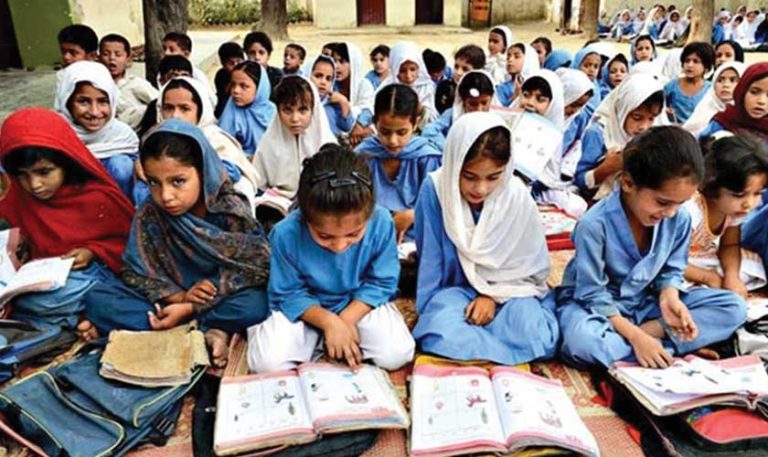
The PSRA board also welcomed the provincial government’s decision to extend the semester system to private schools following its introduction in the public sector. The reform is expected to bring greater uniformity to academic planning and align educational activities with the climate of various regions of the province.

According to Khalid Khan, separate academic calendars have been developed for Summer Zone and Winter Zone schools to ensure that teaching and learning activities take place during periods most suitable for students and teachers.

“The extension of the semester system to private schools aims to establish greater uniformity in academic planning across the province, improve continuity in learning and align educational practices between public and private sectors,” he said.

He said that a semester-based structure distributes academic activities more evenly throughout the year; reducing lengthy interruptions and helping students remain academically engaged.

“The reform is intended to create a more organised academic framework in which curriculum delivery, assessment, co-curricular activities and vacations are planned in a systematic manner, enabling schools to focus on quality learning outcomes,” he added.

The semester system can also improve academic planning by allowing schools to monitor students’s progress more regularly and identify learning gaps before they become serious obstacles to achievement.

The new academic calendar has a common vacation period from July 1 to July 31, during which both Summer Zone and Winter Zone schools will remain closed.

“This window provides an opportunity to organise inter-zonal summer camps involving students from various parts of the province,” Khalid Khan said.

Under the proposal, selected schools in Winter Zone districts may host students from Summer Zone districts in batches for educational, recreational and cultural activities. The camps could include sports competitions, debates, science and innovation projects, arts and cultural programmes, hiking expeditions, environmental awareness activities, leadership training exercises and educational tours.

The initiative is meant to promote social cohesion by bringing together students from diverse geographical, linguistic and cultural backgrounds. “The interaction is expected to promote tolerance, understanding, social cohesion and a stronger sense of provincial identity among young learners,” Khalid Khan said.

Another plan discussed during the meeting was the extension of the school-based assessment (SBA) system to private schools. The assessment framework is already operational in public-sector schools for Grades 3 to 8 and has been designed to measure student learning outcomes in English, mathematics, Urdu and general science.

The system includes a curriculum-aligned digital item bank, automated examination paper generation, standardised answer keys and marking rubrics, electronic report cards and detailed performance analytics.

“At present, there is limited standardised information regarding student learning outcomes in private schools. This makes it difficult to assess educational quality province-wide and limits evidence-based policymaking,” Khalid Khan said.

The meeting was informed that a Digital Item Bank and automated examination paper generation system would also be introduced in private schools. The initiative is expected to enhance transparency, consistency and efficiency in examinations by reducing dependence on individual paper setters and ensuring that assessments remain aligned with curriculum standards.
Beneficial outcomes

“The system contributes to transparency by generating examination papers from a large curriculum-aligned question bank, ensuring uniformity in assessment standards and providing standardised answer keys and marking rubrics,” Khan said.

Private schools are also expected to benefit from access to professionally developed assessment resources and learning analytics that can help identify student strengths and weaknesses. Teachers will thus spend less time preparing examination papers and marking schemes, allowing them to focus more on classroom instruction and student support.

Students are likely to benefit from more transparent assessments that measure actual learning outcomes rather than relying primarily on subjective evaluation methods. “Performance data will help teachers and parents identify areas requiring additional support and improvement,” the secretary said.

The availability of province-wide assessment data is expected to strengthen the regulatory role of the PSRA by providing evidence-based information about educational quality and student achievement in private schools.

Khalid Khan emphasised that both the semester system and the SBA would be implemented in consultation with private-school representatives and parents.

“The implementation process will remain consultative and inclusive, ensuring that the concerns and suggestions of private-school stakeholders are duly incorporated,” he said.

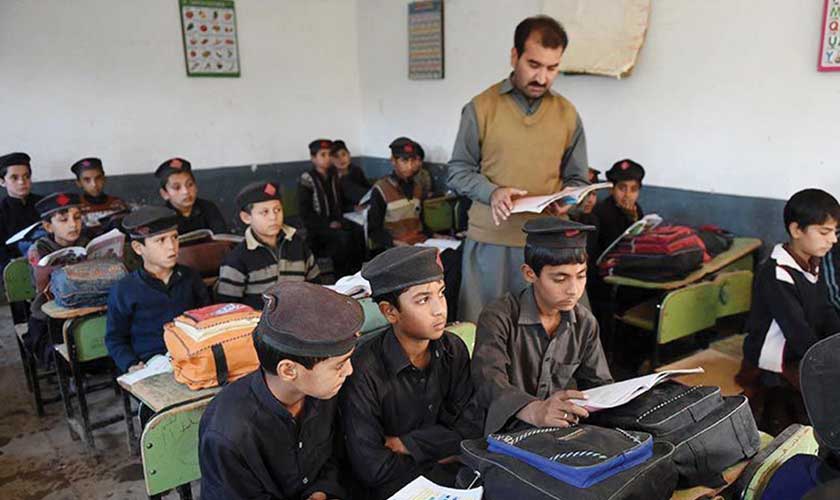
Murad Jan, a headmaster at a government primary school, said the semester system had already produced positive results in public schools by reducing the academic burden on students. Speaking to The News on Sunday, he said the division of the syllabus into two manageable segments had made learning easier for children.

“Under the annual examination system, students had to prepare the entire year’s syllabus for one examination. With the semester system, students take mid-term and final examinations, covering only half of the syllabus,” he said.

“This allows them to focus on a smaller portion of the curriculum, improves their understanding of the material and reduces the stress associated with year-end examinations.”

He suggested that separate textbooks be introduced for each semester, particularly for students from nursery to Grade 2.

“By the time the second semester begins, some of thebooks have been worn out,” he said. “Children often find it challenging to keep their textbooks in good condition for a whole year. If separate books were provided for each semester, it will make learning easier for students.”

Nabeela, a mother of four, says her children are enrolled in a private school where the administration has already introduced the semester system. “The results have been positive. My children are able to complete the entire syllabus with less stress,” she said. “The system has made learning easier and more manageable for them.”
Water security

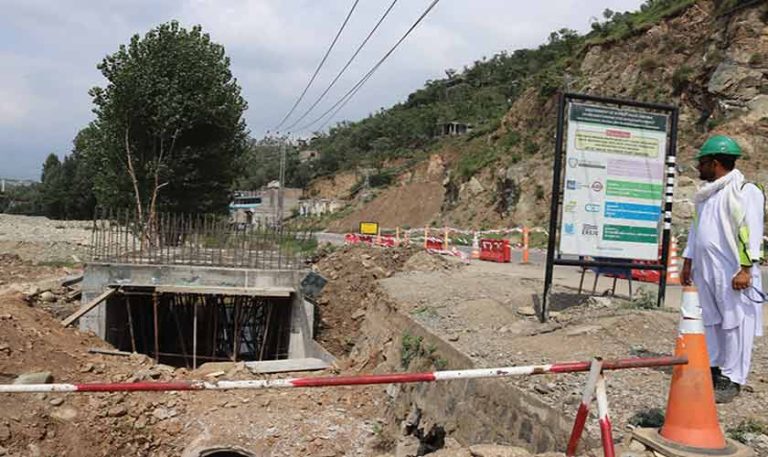
In the heart of Mingora, where rapid urban expansion and rising temperatures are straining basic services, authorities are racing to complete a massive surface water supply project aimed at rescuing the city from a worsening drinking water crisis driven by falling groundwater levels and climate change.

For decades, the city has relied almost entirely on underground aquifers accessed through tube-wells. Officials say that system is no longer sustainable as population growth, erratic weather patterns and declining natural recharge continue to push groundwater reserves to critical levels.

Mingora, the economic hub of Swat, has witnessed rapid population growth over the past decade. Residents of hilly suburban areas say that over the last decade groundwater levels have dropped by more than 50 meters in some places.

Swat has a population of 2.3 million. According to open source data, the Water and Sanitation Services Company, serves around 0.37 million people across 25 neighborhood councils, covering 52,581 households. The utility manages more than 30,000 water connections through 69 tube wells, 49 water tanks and a 475-kilometer pipeline network.

The city currently extracts nearly seven million gallons of groundwater a day, far below the estimated demand of 11 million gallons per day. During summer months, shortages become acute, forcing authorities to appeal for reduced water consumption.

Adnan Bacha, a resident of Mingora, says that in summers, residential areas near the mountains are deprived of safe drinking water.

“Tube-wells are typically operated for eight to ten hours a day. However, at the height of summer, they cannot run for even six hours, as they begin to discharge sand along with water,” a senior WSSC Swat says. “This damages pumping machinery and clogs up the pipelines.”

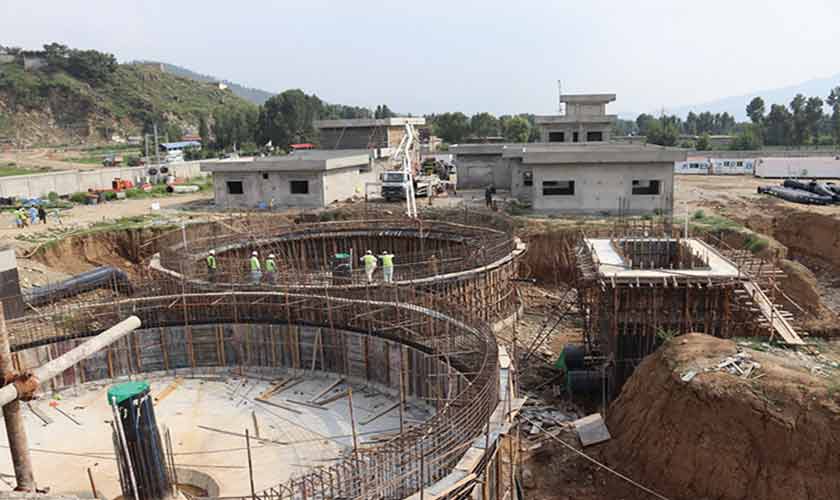
To address the crisis, the provincial government, through the WSSC and the Khyber Pakhtunkhwa Cities Improvement Project is constructing a major water treatment plant, near the Swat River in Khwazakhela. Once operational, the project is expected to supply 30 million gallons of treated water per day to Mingora and surrounding urban areas through an extensive pipeline network.

Officials describe the initiative as one of the largest urban water infrastructure projects undertaken in the region and a critical climate resilience intervention for Swat’s growing population.

“The vision behind the Greater Mingora Water Supply Scheme is not simply to build a treatment plant, but to fundamentally transform the city’s water supply system from a stressed and fragmented arrangement into a modern, sustainable urban water utility,” says Zeeshan Pervaiz, acting chief engineer for KPCIP-Swat.

He says that Mingora’s dependence on groundwater has become increasingly risky as aquifers continue to shrink under rising extraction pressure.

“For decades, Mingora relied on groundwater accessed through tube-wells. While this system served the city for many years, rapid urban growth, rising demand and falling groundwater levels made it increasingly unsustainable,” he says.

According to data obtained from the WSSC, groundwater levels across several cities in Khyber Pakhtunkhwa have been steadily declining and may soon fall beyond natural re-charge capacity if urgent corrective measures are not taken. Officials warn that the combination of climate change and urban expansion is intensifying the crisis.

Water security

The new water treatment plant aims to reduce dependence on underground aquifers by shifting the city toward surface water drawn directly from Swat River.

Pervaiz says planning and design work for the project has been going on since 2019. He says the stakeholders have include the provincial government, the local government, Elections and Rural Development Department, the WSSC Swat, the Asian Development Bank and the Asian Infrastructure Investment Bank.

“This is not a standalone project. It is a part of a major institutional and infrastructure investment.”

The treatment facility will draw water from Swat River through an intake system at Khwazakhela before passing it through several purification stages, including screening, coagulation, sedimentation, rapid gravity filtration and chlorination.

Authorities say the treated water will then travel through a 17-kilometer transmission pipeline to overhead reservoirs before being distributed through approximately 485 kilometers of distribution network. Officials believe the project will eventually serve nearly 850,000 residents.

The water crisis, however, extends beyond the shortages. Officials and residents say unreliable supply has affected households, schools, businesses and public health.

“Water scarcity affects much more than household convenience,” Pervaiz says. “It impacts daily domestic routines, public health, schools, commercial activity and urban productivity overall. Reliable access to water is not just a utility — it is a foundation for health, education and economic activity.”

He says climate change has complicated the situation by disrupting traditional rainfall patterns and reducing winter snowfall in upper catchment areas that historically contributed to groundwater recharge.

“In recent years, that seasonal recharge mechanism has weakened considerably,” he says. “This challenge is not only about rising demand; it is also about changing hydrological realities.”

Under KPCIP, WSSCs are installing flow meters, replacing rusted pipelines and introducing Supervisory Control and Data Acquisition systems to monitor water extraction and distribution in real time. Officials say the upgrades are aimed at reducing “non-revenue water” lost through leakages, theft and waste.

The introduction of metering and digital monitoring systems is expected to reduce over-extraction, improve operational efficiency and lower energy costs associated with pumping groundwater.

“Infrastructure projects of this scale naturally involve challenges,” Pervaiz says, citing utility shifting, right-of-way issues, underground service networks and the need to minimise disruption to residents during construction.

“This is not a single-structure project; it is an integrated city-wide system. This makes coordination as important as engineering,” he says. Despite the obstacles, officials remain optimistic that the project will fundamentally reshape Mingora’s water future.

With a design capacity of 30 million gallons per day, authorities say the scheme has been planned to meet the projected water demand for nearly 30 years.

“The cities continue to grow,” Pervaiz says. “This project is designed to resolve the current crisis and hopefully provide long-term water security.”

Welcome recognition

The remote Kalash valleys in Khyber Pakhtunkhwa have been added to the UNESCO World Heritage Tentative List, marking a significant milestone in Pakistan’s cultural and heritage conservation efforts and bringing international recognition to one of the world’s oldest living indigenous communities.

With the inclusion of the Kalasha Cultural Landscape, the number of Pakistani sites on UNESCO’s Tentative List has increased to 29. Officials describe the development as “historic.” It is for the first time that an entire community from Pakistan and its traditions, beliefs and social system have been recognised in this manner.

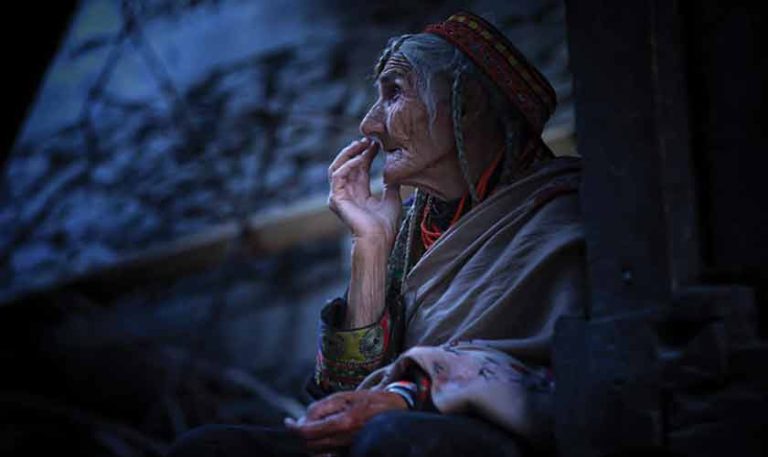
Nestled in the rugged Hindu Kush mountain range of Chitral district, the three Kalash valleys, Bumburet, Rumbur and Birir are home to the Kalasha people, a small indigenous community – less than ten thousand people – known for its distinct culture, ancient traditions, colourful festivals and unique polytheistic belief system.

Geographical isolation has played a key role in preserving the Kalash identity for centuries. Surrounded by towering mountains and difficult terrain, the valleys have remained relatively protected from outside influences, allowing the community to maintain its traditional way of life.

The UNESCO nomination describes the Kalash Cultural Landscape as an “exceptionally well-preserved and continuously inhabited high mountain cultural environment” where daily life, religious practices, agriculture and community governance continue to operate according to centuries-old traditions.

Welcome recognition

Unlike archaeological sites frozen in history, the Kalash valleys represent a living and evolving cultural system where traditions are still actively practiced. The nomination highlights the close relationship between the Kalash people and their natural environment, saying the landscape has evolved through a deeply rooted connection between the community, its belief system, settlement patterns and surrounding ecology.

The cultural landscape includes more than 140 documented ceremonial sites, ritual platforms, ancestral graveyards with distinctive wooden carvings and traditional settlements. These sites continue to hold social and spiritual significance within the collective memory of the community.

Dr Abdul Samad, the director general of Archaeology and Museums in Khyber Pakhtunkhwa, says the inclusion is a “landmark achievement” for the province and the country.

“This is one of the major achievements of the Directorate General of Archaeology and Museums, Government of Khyber Pakhtunkhwa,” he told The News on Sunday. “It accords international recognition to the unique living heritage of the Kalash community and brings global visibility to Khyber Pakhtunkhwa and Pakistan.”

Welcome recognition

Dr Samad said the recognition was expected to create new opportunities for local communities through responsible cultural tourism and sustainable economic activities.

“We expect major benefits for local communities through responsible cultural tourism, employment opportunities, local handicrafts, hospitality and international attention,” he said. “Heritage tourism can become a strong source of sustainable economic growth for the region.”

The UNESCO recognition could significantly increase international interest in the Kalash valleys, which are already among Pakistan’s most unique tourist destinations due to their rich traditions, festivals, architecture and scenic beauty.

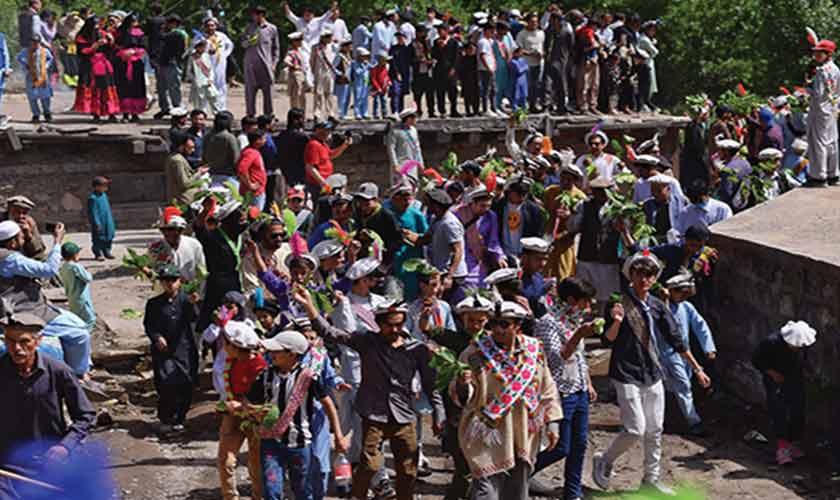
Every year, thousands of domestic and foreign tourists visit the valleys to witness traditional Kalash festivals such as Chilam Joshi, Uchau and Choimus. Community members continue to wear traditional attire, practice ancient rituals and celebrate seasonal festivals that reflect their spiritual and cultural identity.

Their rich heritage aside, the Kalasha people face numerous challenges, including climate change, increasing modernisation, migration and pressure from unplanned development.

Dr Samad warned that these threats could gradually erode traditional lifestyles and cultural practices if adequate conservation measures were not implemented.

Welcome recognition

“The major challenges include climate change, modernisation pressures, unplanned development and the gradual loss of traditional practices,” he said. “UNESCO recognition will help strengthen conservation efforts, international collaboration and long-term protection of this unique cultural landscape.”

He said the inclusion in the Tentative List is only the beginning of a long and technical process required for full World Heritage status.

“The next step is the preparation of a comprehensive UNESCO nomination dossier, including conservation plans, mapping, documentation and community engagement,” he said. “This is a highly technical process. It may take several years, but we are committed to achieving full World Heritage status.”

Dr Samad credited the achievement to years of coordinated efforts involving provincial authorities, local communities, federal institutions and international partners.

“This milestone reflects years of dedicated work by the Directorate General of Archaeology and Museums, Government of KP, along with support from local communities, federal institutions and international partners,” he said. “It is a proud moment for the KP and Pakistan.”

For members of the Kalash community, the recognition carries emotional and cultural significance beyond international prestige.

Welcome recognition

Muhammad Kashif, a resident of the picturesque Bumburet Valley, described the development as a moment of immense pride and happiness for the community.

Speaking to TNS, he said the UNESCO recognition would improve the international image of the Kalash valleys and attract greater tourism to the region.

“This recognition will increase the global visibility of the Kalash valleys and help promote tourism,” he said. “It might create development opportunities and improve the local economy.”

He also expressed hope that the recognition would contribute to the preservation of the Kalash community’s centuries-old traditions and cultural heritage.

Zareen Khan, a member of the Kalash community, has been associated with the Khyber Pakhtunkhwa Culture and Tourism Authority for the past 16 years. He described UNESCO’s inclusion of the Kalash Valleys on its Tentative List as a long-awaited milestone for the community.

“This recognition is something we have hoped for, for many years,” he said, adding that the Kalash people had long sought an international platform to help preserve their culture, traditions and way of life.

According to Zareen Khan, forced conversions and outside cultural influences have posed serious challenges to the community over the years. He noted that the growing influence of external groups had contributed to a gradual decline in the Kalash population and cultural identity.

He said the UNESCO recognition had brought immense joy to the community and expressed gratitude to the provincial government and the Department of Archaeology for their efforts to secure the status.

Zareen Khan said the move would help protect the Kalash Valleys as a cultural heritage area, enabling local residents to live according to their traditions with reduced outside interference. He added that the recognition would strengthen efforts to safeguard Kalash customs, religious practices and cultural identity for future generations.

He also said the community hoped to practice its faith and cultural traditions freely and peacefully in its ancestral valleys while gaining greater recognition of its distinct identity.

مشیر زراعت میاں محمد عمر کی زیر صدارت فارم سروس سینٹرز کے امور پر اجلاس

وزیراعلیٰ خیبرپختونخوا کے مشیر برائے زراعت میاں محمد عمر کی زیر صدارت فارم سروس سینٹرز (FSCs) کے امور کے حوالے سے اجلاس منعقد ہوا۔ اجلاس میں ڈائریکٹر جنرل زراعت توسیع ڈاکٹر نوید سمیت متعلقہ حکام نے شرکت کی۔اجلاس کے دوران فارم سروس سینٹرز کے تحت جاری خدمات، انتظامی امور اور مستقبل کے لائحہ عمل پر تفصیلی بریفنگ دی گئی۔ مشیر زراعت میاں محمد عمر نے شفافیت، میرٹ اور خدمات کی مؤثر فراہمی کو یقینی بنانے کے لیے فارم سروس سینٹرز کے تمام امور کو ڈیجیٹلائز کرنے کی ہدایت کی۔انہوں نے فارم سروس سینٹر لوئر چترال کی مکمل ڈیجیٹلائزیشن اور بہتر کارکردگی کو سراہتے ہوئے کہا کہ جدید ٹیکنالوجی کے استعمال سے نہ صرف خدمات کی فراہمی میں بہتری آئے گی بلکہ کسانوں کا اعتماد بھی مزید مضبوط ہوگا۔میاں محمد عمر نے کہا کہ صوبائی حکومت کسانوں کی فلاح و بہبود اور زرعی شعبے کی ترقی کے لیے عملی اقدامات کر رہی ہے۔ انہوں نے ہدایت کی کہ فارم سروس سینٹرز کو جدید تقاضوں سے ہم آہنگ کرتے ہوئے انہیں کسان دوست اداروں میں تبدیل کیا جائے تاکہ کاشتکار برادری کو زیادہ سے زیادہ سہولیات اور خدمات فراہم کی جا سکیں۔
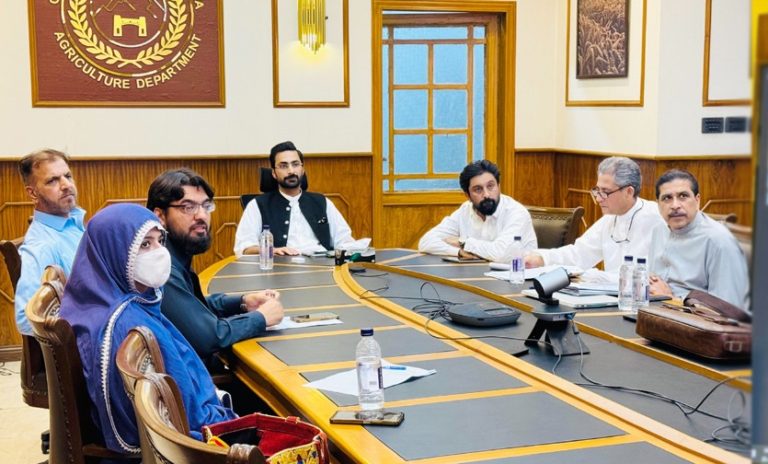
علاؤہ ازیں وزیراعلیٰ خیبرپختونخوا کے مشیر برائے زراعت میاں محمد عمر کی زیر صدارت ضلع ایبٹ آباد میں محکمہ زراعت کو درپیش مسائل اور زرعی شعبے کی ترقی سے متعلق آن لائن اجلاس منعقد ہوا۔ اجلاس میں رکن صوبائی اسمبلی رجب علی عباسی، ڈائریکٹر جنرل زراعت توسیع ڈاکٹر نوید، ڈائریکٹر جنرل سائل کنزرویشن سمیع اللہ اور ضلع ایبٹ آباد میں محکمہ زراعت کے ذیلی اداروں کے ضلعی سربراہان نے شرکت کی۔ اجلاس کے دوران ضلع ایبٹ آباد میں زرعی شعبے کی موجودہ صورتحال، کسانوں کو درپیش مسائل، محکمہ زراعت کی جاری سرگرمیوں اور مستقبل کے ترقیاتی منصوبوں پر تفصیلی تبادلہ خیال کیا گیا۔ اجلاس کو ضلع میں زرعی پیداوار بڑھانے، جدید زرعی ٹیکنالوجی کے فروغ، مٹی و پانی کے تحفظ اور کسانوں کو بہتر سہولیات کی فراہمی کے حوالے سے بریفنگ دی۔ مشیر زراعت میاں محمد عمر نے اجلاس سے خطاب کرتے ہوئے کہا کہ صوبائی حکومت زرعی شعبے کی ترقی اور کسانوں کی خوشحالی کو اپنی اولین ترجیحات میں شامل کیے ہوئے ہے۔ زرعی پیداوار میں اضافے، جدید کاشتکاری کے فروغ اور قدرتی وسائل کے مؤثر استعمال کے لیے تمام متعلقہ اداروں کے درمیان قریبی رابطہ اور تعاون ناگزیر ہے۔ اجلاس میں ضلع ایبٹ آباد میں زراعت کی ترقی کے لیے مختلف تجاویز اور سفارشات پر بھی غور کیا گیا

خیبرپختونخوا نے نیشنل جونیئر والی بال چیمپئن شپ 2026 کا ٹائٹل اپنے نام کر لیا۔

ڈائریکٹوریٹ جنرل آف سپورٹس خیبرپختونخوا کے زیر اہتمام منعقدہ نیشنل جونیئر چیمپئن شپ 2026 کے والی بال ایونٹ کا فائنل میچ آج پشاور میں کھیلا گیا، جس میں خیبرپختونخوا نے پنجاب کو 1-3 سے شکست دے کر چیمپئن شپ اپنے نام کر لی۔ پنجاب کی ٹیم دوسرے نمبر پر رہی۔فائنل مقابلہ انتہائی دلچسپ اور سنسنی خیز رہا، جس میں خیبرپختونخوا کے کھلاڑیوں نے شاندار کھیل کا مظاہرہ کرتے ہوئے کامیابی حاصل کی اور ہوم گراؤنڈ پر ٹائٹل جیتنے کا اعزاز حاصل کیا۔اس موقع پر وزیراعلیٰ خیبرپختونخوا کے مشیر برائے کھیل و امور نوجوانان تاج محمد خان ترند مہمانِ خصوصی تھے۔ انہوں نے کامیاب اور نمایاں کارکردگی دکھانے والے کھلاڑیوں میں ٹرافیاں، میڈلز اور انعامات تقسیم کیے اور ان کی حوصلہ افزائی کرتے ہوئے کہا کہ نوجوان کھلاڑی ملک کا روشن مستقبل ہیں اور حکومت کھیلوں کے فروغ اور نوجوان ٹیلنٹ کو آگے لانے کے لیے بھرپور اقدامات کر رہی ہے۔تقریب میں سپورٹس ڈیپارٹمنٹ کے اعلیٰ حکام، منتظمین اور کھیلوں سے وابستہ شخصیات بھی موجود تھیں۔

ماحولیاتی تحفظ اور موسمیاتی استحکام کے لیے مؤثر اقدامات ناگزیر ہیں،مشیر وزیراعلی برائے ماحولیات

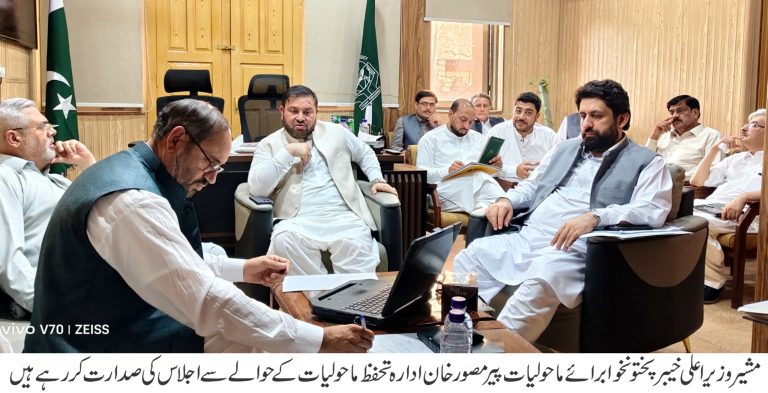
ماحولیاتی آلودگی پر قابو پانے، قدرتی وسائل کے تحفظ اور موسمیاتی تبدیلیوں کے اثرات سے نمٹنے کے لیے حکومتی کوششوں کو مزید مؤثر بنانے کے عزم کے تحت مشیر وزیرِ اعلیٰ خیبر پختونخوا برائے موسمیاتی تبدیلی، جنگلات، ماحولیات و جنگلی حیات پیر مصور خان نے ادارہ برائے تحفظ ماحولیات، خیبر پختونخوا کے دفتر کا دورہ کیا، جہاں انہیں ادارے کی کارکردگی، اصلاحات، کامیابیوں، درپیش چیلنجز اور آئندہ کے لائحۂ عمل پر تفصیلی بریفنگ دی گئی۔بریفنگ ڈائریکٹر ای پی اے خیبر پختونخوا افسر علی شاہ نے پیش کی۔ اس موقع پر سیکرٹری موسمیاتی تبدیلی، جنگلات، ماحولیات و جنگلی حیات خیبر پختونخوا جنید خان، ڈائریکٹر جنرل ای پی اے، خیبر پختونخوا اسد اللہ خان سمیت ادارے کے دیگر اعلیٰ افسران بھی موجود تھے۔بریفنگ کے دوران مشیر وزیرِ اعلیٰ کو بتایا گیا کہ ماحولیاتی تحفظ ایجنسی صوبے میں ماحولیاتی قوانین کے نفاذ، آلودگی کے تدارک، صنعتی اخراج کی نگرانی، ماحولیاتی اثرات کے جائزوں (EIA) کی منظوری اور پائیدار ترقی کے فروغ کے لیے کلیدی کردار ادا کر رہی ہے۔

اجلاس کو ای پی اے کی جانب سے شروع کی گئی متعدد اہم اصلاحات اور جدید اقدامات سے آگاہ کیا گیا، جن میں صنعتی اخراج کی آن لائن نگرانی کے لیے کنٹینیوس ایمیشن مانیٹرنگ سسٹم (CEMS) کا قیام، مرکزی GIS/MIS سیل کا قیام، ماحولیاتی اور موسمیاتی تبدیلی سے متعلق مضامین کو تعلیمی نصاب میں شامل کرنے کی کاوشیں، صوبائی ماحولیاتی معیار (PEQS) کی تیاری، جدید علاقائی لیبارٹریوں کا قیام اور ماحولیاتی منظوریوں کے نظام کی ڈیجیٹلائزیشن شامل ہیں۔بریفنگ میں بتایا گیا کہ ایجنسی نے ماحولیاتی قوانین کے نفاذ اور نگرانی کے شعبے میں نمایاں کامیابیاں حاصل کی ہیں۔ ماحولیاتی تحفظ ٹریبونل کو بھیجے گئے چار ہزار سے زائد مقدمات نمٹائے جا چکے ہیں جبکہ 3,989 صنعتی یونٹس کی GIS میپنگ مکمل کی گئی ہے تاکہ نگرانی اور قانون پر عملدرآمد کو مزید مؤثر بنایا جا سکے۔ مزید برآں سیمنٹ اور اسٹیل صنعتوں میں آلودگی کنٹرول نظام کی تنصیب اور روایتی اینٹوں کے بھٹوں کو زگ زیگ ٹیکنالوجی پر منتقل کرنے جیسے اقدامات کو بھی سراہا گیا۔اجلاس کو موسمیاتی تبدیلی اور عوامی آگاہی کے حوالے سے کیے گئے اقدامات سے بھی آگاہ کیا گیا، جن میں تعلیمی اداروں میں گرین کلبز کا قیام، صوبائی موسمیاتی تبدیلی پالیسی عملدرآمد کمیٹی کے باقاعدہ اجلاس اور ماحولیاتی منظوریوں کو عوامی رسائی کے لیے آن لائن دستیاب کرنا شامل ہے۔اس موقع پر مشیر وزیرِ اعلیٰ پیر مصور خان نے ای پی اے کی کارکردگی اور افسران کی خدمات کو سراہتے ہوئے کہا کہ صاف، محفوظ اور صحت مند ماحول ہر شہری کا بنیادی حق ہے اور اس کے تحفظ کے لیے تمام دستیاب وسائل بروئے کار لائے جائیں گے۔ انہوں نے کہا کہ موسمیاتی تبدیلی اور ماحولیاتی آلودگی کے بڑھتے ہوئے چیلنجز کے پیشِ نظر ادارہ جاتی صلاحیتوں میں اضافہ وقت کی اہم ضرورت ہے۔انہوں نے ایجنسی کو ہدایت کی کہ ماحولیاتی قوانین کے نفاذ، جدید نگرانی کے نظام، عوامی شعور کی بیداری اور صنعتی شعبے میں ماحول دوست ٹیکنالوجیز کے فروغ کے لیے اقدامات کو مزید تیز کیا جائے۔ انہوں نے یقین دلایا کہ ادارے کو درپیش اہم مسائل، بشمول افرادی قوت کی کمی، پروموشنز، ضلعی سطح پر دفاتر کے قیام، جدید آلات اور لاجسٹک سہولیات کی فراہمی کے لیے ہر ممکن تعاون فراہم کیا جائے گا۔اس موقع پر سیکرٹری موسمیاتی تبدیلی، جنگلات، ماحولیات و جنگلی حیات جنید خان نے کہا کہ حکومت خیبر پختونخوا ماحولیاتی تحفظ، موسمیاتی موافقت اور پائیدار ترقی کے اہداف کے حصول کے لیے اداروں کو مزید مضبوط بنانے کے لیے پرعزم ہے۔

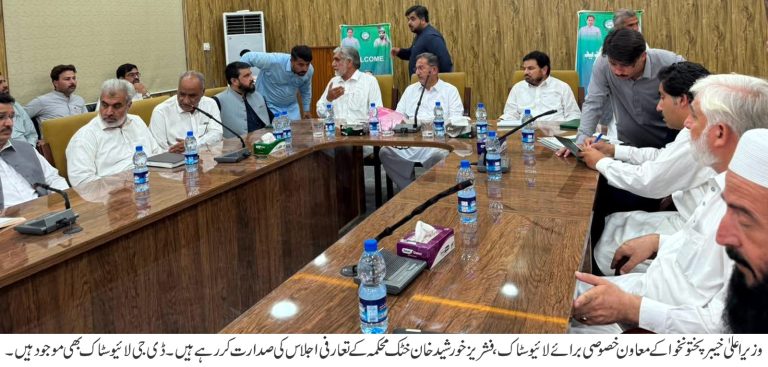
معاون خصوصی لائیو سٹاک، فشریز و کواپریٹو سوسائٹیز خورشید خان خٹک کےتعارفی اجلاس سے خطاب

وزیر اعلیٰ کے معاون خصوصی برائے لائیو سٹاک، فشریز و کواپریٹو سوسائٹیز خورشید خان خٹک نے کہا ہے کہ غریب عوام کو سہولیات فراہم کرنا ہماری اولین ترجیحات میں شامل ہے۔ بانی چیرمین عمران خان کے وژن کے مطابق متوسط طبقے کو ریلیف دینے کے لیے اقدامات کیے جائیں گے۔
انہوں نے کہا کہ ایمانداری، دیانت اور ٹیم ورک کے ساتھ مل کر محکمہ میں شفافیت لائیں گے، میرٹ پر کسی قسم کا سمجھوتہ نہیں کیا جائے گا اور بدعنوانی کے خاتمے کے بعد محکمہ کو ڈیجیٹائزیشن کی جانب لے جائیں گے۔
یہ خیالات انہوں نے محکمہ لائیو سٹاک ریسرچ اور توسیع ونگ میں ایک تعارفی اجلاس کے دوران حکام سے خطاب کرتے ہوئے بیان کیے۔ اجلاس میں ڈائریکٹر جنرل لائیو سٹاک توسیع اصل خان، ایڈیشنل سیکرٹری لائیو سٹاک نیاز محمد خان، ڈی جی لائیو سٹاک ریسرچ ڈاکٹر اعجاز خان، ڈائریکٹر لائیو سٹاک حبیب اللہ خان اور دیگر متعلقہ حکام نے شرکت کی۔
معاون خصوصی نے محکمہ لائیو سٹاک کے مختلف لیبارٹریز کا بھی دورہ کیا اور وہاں انہیں محکمہ کی جانب سے تفصیلی بریفنگ دی گئی۔ بریفنگ میں صوبہ بھر میں عوام کو فراہم کی جانے والی سہولیات، محکمہ کے ویٹرنری ہسپتال، موبائل ویٹرنری یونٹس، سول ویٹرنری ہسپتال، جانوروں میں بیماریوں کی روک تھام، ٹیسٹنگ اور ڈائیگنوسٹک لیبارٹریز، آن لائن حاضری، ڈیجیٹل لائیو سٹاک مانیٹرنگ سروسز، لائیو سٹاک ایکٹ، سوات یونیورسٹی آف ویٹرنری اینڈ اینمل سائنسز، ضم اضلاع میں جاری سکیمیں، محکمانہ بجٹ اور مختلف منصوبوں کی تفصیلات شامل تھیں۔
خورشید خان خٹک نے کہا کہ ہر قسم کی پوسٹنگ اور ٹرانسفر ان کی مشاورت سے ہوگی اور محکمہ کو میرٹ کی بنیاد پر آگے بڑھایا جائے گا۔ انہوں نے یہ بھی اعلان کیا کہ وہ صوبہ بھر بشمول ضم اضلاع کے لائیو سٹاک دفاتر کا دورہ کریں گے۔
انہوں نے کہا کہ لائیو سٹاک ریسرچ کے حوالے سے عوام کو سوشل میڈیا کے ذریعے معلومات فراہم کرنا بھی ضروری ہے اور محکمہ کی بہتری اور اصلاحات کے لیے وہ ہمہ وقت موجود رہیں گے اور تمام چیلنجز کو ٹیم ورک کے ساتھ حل کریں گے۔

Chief Minister Sohail Afridi Effectively Presented KP’s Case for Provincial Rights in National Economic Council Meeting: Shafi Jan

Khyber Pakhtunkhwa Minister for Information and Public Relations Shafi Jan has said that Chief Minister Sohail Afridi convincingly presented case for constitutional and financial rights of Khyber Pakhtunkhwa during meeting of National Economic Council , effectively advocating for province’s rights and interests of its people.

In a statement regarding NEC meeting, Shafi Jan said that assurance given to update National Finance Commission Award reflects success of provincial government’s stance and marks a positive development for people of Khyber Pakhtunkhwa.

He welcomed the decision to include financial share of merged districts in new NFC Award, stating that it would benefit the people of province, particularly those residing in merged districts.

Provincial Minister Shafi Jan further said that safeguarding constitutional and financial rights of people of Khyber Pakhtunkhwa remains top priority of Provincial Government.

” Chief Minister Sohail Afridi has consistently raised an effective voice for province’s rights at every constitutional and national forum.” He added.

Shafii Jan emphasized that Khyber Pakhtunkhwa government is not seeking any concession from federal government but is demanding its constitutional and legal rights. He noted that achieving development goals would not be possible without full financial inclusion of merged districts and provincial government is pursuing a comprehensive strategy for the development, rehabilitation and stability of both Settled and merged districts.

He further stated that Federal government owes Khyber Pakhtunkhwa billions of rupees under various heads, including NFC arrears, War on Terror reimbursements and net hydel profit payments. Once these outstanding dues are received, they will be utilized for province’s development, provision of basic services, and public welfare.

Shafii Jan also announced that under leadership of Chief Minister Sohail Afridi, a strong protest demonstration would be held in Islamabad on June 12. He reiterated that provincial government will continue its struggle for constitutional rights, equitable distribution of resources and protection of public interests.

Province-Wide Crackdown Against Substandard and Unsafe Food Intensified

On the directives of Special Assistant to the Chief Minister for Food, Dr Muhammad Israr Khan, the Khyber Pakhtunkhwa Food Safety & Halal Food Authority has intensified its province-wide crackdown against substandard, mislabelled and unsafe food products.
According to a spokesperson for the Food Authority, food safety teams carried out inspections and enforcement operations in Peshawar, Lower Dir, Swat and Malakand, resulting in the seizure of large quantities of unsafe food items and initiation of legal action against violators.
In Peshawar, food safety teams conducted a joint operation on Warsak Road and in Dir Colony, where a large quantity of substandard juices was seized. The teams also confiscated cheese products carrying fake and tampered expiry dates.
In Lower Dir, inspectors visited an ice cream manufacturing unit in Timergara and imposed a heavy fine over poor hygiene conditions. An improvement notice was issued to ensure compliance with food safety standards within the stipulated timeframe. Several other food businesses were also inspected and directed to implement food safety regulations.
In Swat, the Authority’s Mobile Food Testing Laboratory examined samples of milk and beverages on the spot. During the operation, more than 250 units of mislabelled and substandard ice cream and 70 bundles of mislabelled popsicles were destroyed, while substantial fines were imposed on the operators concerned.
Meanwhile, in Malakand, a raid was conducted on a warehouse following a tip-off. Using modern scientific testing techniques, food safety officials recovered approximately 12,000 rotten and unfit eggs. The entire stock was confiscated and destroyed, while legal proceedings were initiated against those responsible.
Speaking on the occasion, Dr Muhammad Israr Khan reiterated that the provision of safe, quality and healthy food to the people of Khyber Pakhtunkhwa remains the government’s top priority.
“We will continue taking indiscriminate action against food adulteration, fraudulent labelling and all practices that endanger public health. No leniency will be shown to those found violating food safety laws,” he said.
The Food Authority spokesperson added that enforcement operations across the province would continue without interruption to ensure compliance with food safety standards and protect consumers from unsafe food products.

صوبائی وزیر اطلاعات شفیع جان کا نیشنل اکنامک کونسل اجلاس سے متعلق بیان

نیشنل اکنامک کونسل اجلاس میں وزیراعلیٰ سہیل آفریدی نے خیبرپختونخوا کے حقوق کا مقدمہ مؤثر اور مدلل انداز میں پیش کیا، شفیع جان

این ایف سی ایوارڈ کو اپ ڈیٹ کرنے کی یقین دہانی صوبائی حکومت کے مؤقف کی کامیابی ہے، شفیع جان

نئے این ایف سی ایوارڈ میں ضم شدہ اضلاع کا مالی حصہ شامل کرنے کا فیصلہ خوش آئند اور صوبے کے عوام کے لئے بڑی خوشخبری ہے، شفیع جان

خیبرپختونخوا کے عوام کے آئینی اور مالیاتی حقوق کا تحفظ صوبائی حکومت کی اولین ترجیح ہے، شفیع جان

وزیراعلیٰ سہیل آفریدی ابتدا سے ہر آئینی فورم پر صوبے کے حقوق کے لیے مؤثر آواز اٹھا رہے ہیں، شفیع جان

خیبرپختونخوا حکومت وفاق سے صوبے کا اپنا آئینی اور قانونی حق مانگ رہی ہے، شفیع جان

ضم شدہ اضلاع کی مکمل مالی شمولیت کے بغیر ترقیاتی اہداف حاصل نہیں کیے جا سکتے، شفیع جان

صوبائی حکومت نے ضم اضلاع کی ترقی اور استحکام کے لیے جامع حکمت عملی اختیار کی ہے، شفیع جان

این ایف سی،وار آن ٹیرر اور پن بجلی کے خالص منافع سمیت وفاق کے ذمہ صوبے کے اربوں روپے واجب الادا ہیں، شفیع جان

وفاق سے بقایا جات کی وصولی صوبے کی ترقی اور عوامی فلاح و بہبود پر خرچ کی جائے گی، شفیع جان

وزیر اعلی سہیل آفریدی کی قیادت میں 12 جون کو اسلام آباد میں بھرپور احتجاج بھی کیا جائے گا، شفیع جان

صوبائی حکومت وسائل کی منصفانہ تقسیم اور آئینی حقوق کے حصول کے لیے اپنی جدوجہد جاری رکھے گی، شفیع جان